

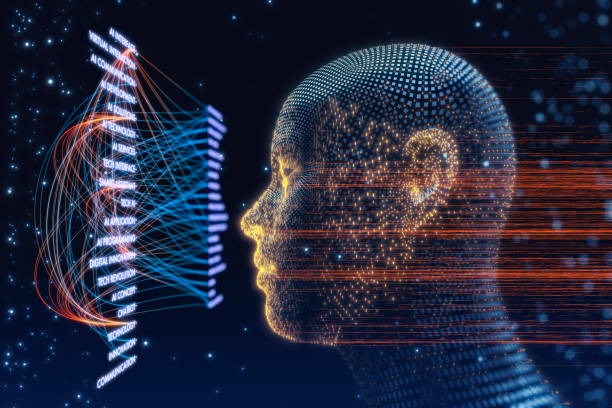
In recent years, the advent of advanced neural networks has revolutionized the way we understand and interact with technology. One of the most intriguing developments in this realm is algorithmic authorship, where machines generate original text that often rivals human creativity. This innovation stems from sophisticated algorithms and artificial intelligence models designed to process vast amounts of data and learn linguistic patterns, enabling them to produce coherent and contextually relevant content.
Neural networks, particularly those employing deep learning techniques, have become instrumental in this process. These systems mimic the human brain’s architecture through layers of interconnected nodes or “neurons,” allowing them to recognize complex patterns within data sets. By training on extensive corpora of text—ranging from classical literature to modern journalism—these networks develop an understanding of language nuances such as grammar, style, tone, and semantics.
The ability for neural networks content generation to produce original text hinges on several key components: natural language processing (NLP), machine learning algorithms, and massive computational power. NLP enables machines to interpret human language by breaking down sentences into understandable parts. Machine learning algorithms then allow these systems to improve over time by adjusting their parameters based on feedback received during training sessions. The synergy between these elements results in models capable of generating text that is not only syntactically correct but also contextually appropriate.
One prominent example is OpenAI’s GPT (Generative Pre-trained Transformer) series. These models are pre-trained using a diverse range of internet texts before being fine-tuned for specific tasks like writing essays or composing poetry. GPT-3, one iteration in this series, boasts 175 billion parameters—a testament to its complexity and capacity for producing high-quality written material across various genres.
Despite their impressive capabilities, neural network-generated texts are not without limitations or ethical considerations. For instance, while these systems can generate creative content rapidly and at scale—which proves invaluable for industries like marketing or entertainment—they may inadvertently perpetuate biases present within their training data if not carefully managed.
Moreover, questions surrounding authorship rights arise when machines contribute significantly to creative works traditionally attributed solely to humans. As AI continues evolving towards greater sophistication in textual production—and potentially even surpassing human writers—it becomes crucial for society at large to address issues related both legally and ethically regarding ownership claims over AI-generated content.
In conclusion, algorithmic authorship represents a fascinating intersection between technology advancement and literary creation; it challenges conventional notions about creativity while offering new possibilities previously unimaginable through purely manual efforts alone—all thanks largely due advancements made possible by cutting-edge neural network architectures today transforming our world tomorrow beyond imagination’s reach!